The choice between traditional Hard Disk Drives (HDDs) and Solid State Drives (SSDs) for server applications has become crucial due to the accelerated evolution of data storage and server technology. Both hard disk drives (HDDs) and solid-state drives (SSDs) have their own advantages and disadvantages, making the choice a balancing act between cost, performance, and specific use cases. In this article, we will examine the characteristics of each technology and determine which may be optimal in various circumstances.
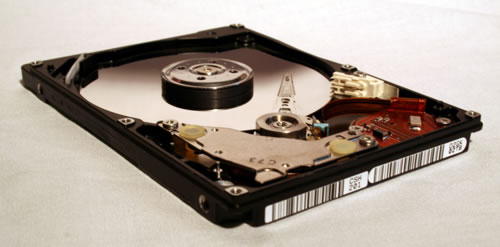
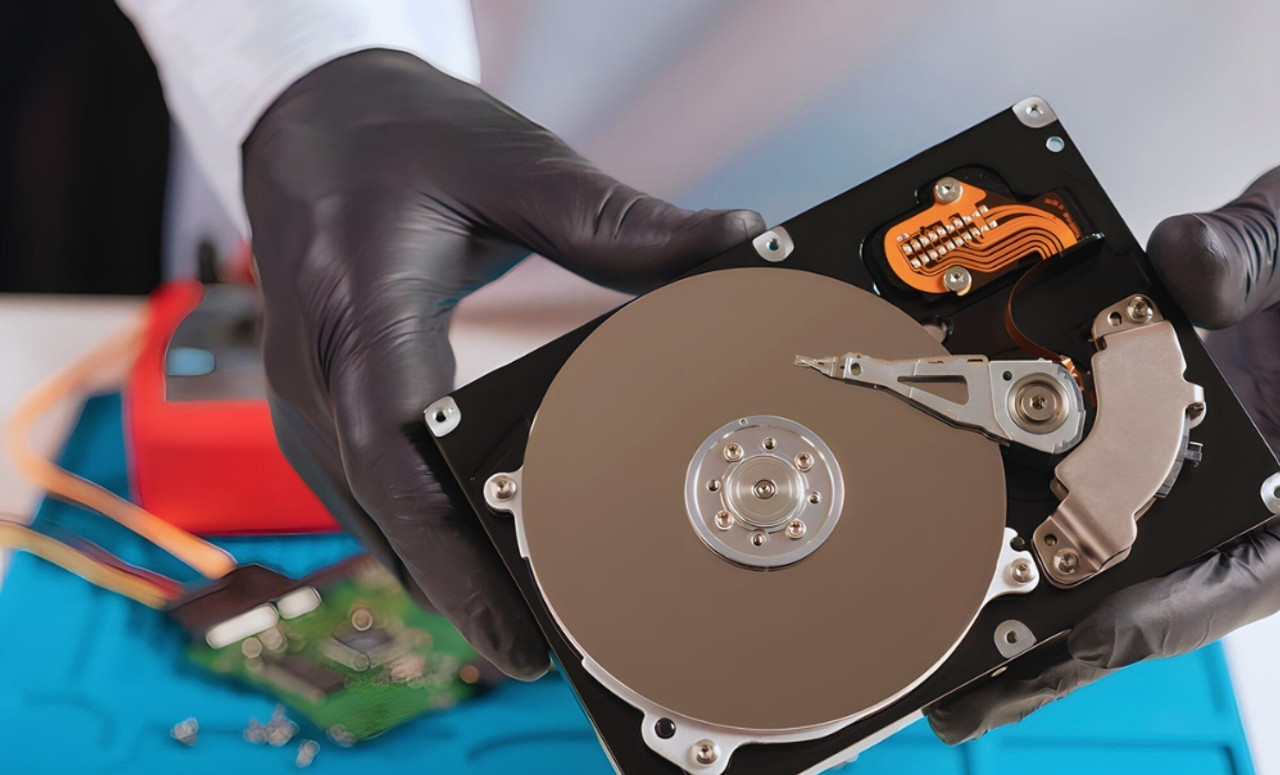
HDDs have been a data storage standard for decades. Data is stored on rotating platters coated with magnetic material. To access and modify data, an actuator arm with read/write heads moves over the platters. HDDs offer larger storage capacities at a lower price per gigabyte than SSDs. However, they are constrained by mechanical components, resulting in slower data access velocities and physical wear and tear susceptibility.
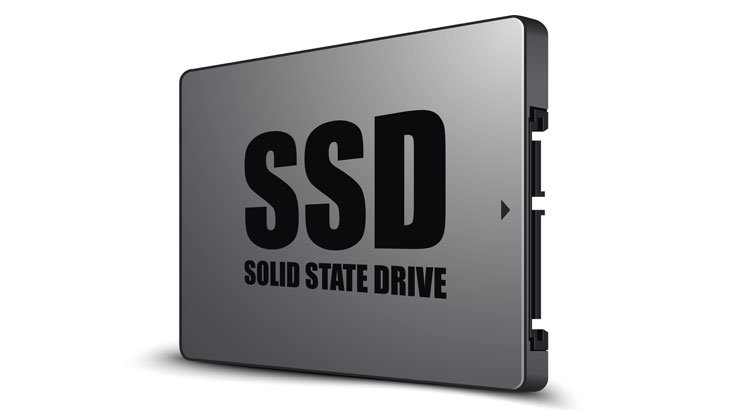
In contrast, SSDs are a more recent and technologically sophisticated form of storage. They store data using NAND flash memory, which enables substantially faster data access times compared to HDDs. SSDs are more durable, energy-efficient, and resistant to shock and vibration because they lack moving elements. Initially, SSDs had a higher price per gigabyte than HDDs, but as technology has advanced, SSD prices have decreased consistently.
In terms of functionality, SSDs are clearly superior. SSDs offer virtually instantaneous data access times and faster read/write speeds due to the lack of moving parts. This is especially advantageous for I/O-intensive applications such as databases, virtualization, and content delivery networks. SSDs can significantly improve overall system performance for duties that require intensive multitasking and quick data retrieval.
HDDs, on the other hand, have slower access periods because of their mechanical design. When dealing with large datasets and high-throughput applications, their performance becomes a bottleneck. However, they may still be adequate for duties that are not I/O intensive.
SSDs excel in terms of dependability and longevity. SSDs are less susceptible to damage from physical shocks and vibrations due to the lack of moving elements, which reduces the risk of mechanical failure. This is essential in server environments where outages can result in significant losses. Additionally, the absence of moving elements results in reduced power consumption and heat production, which contributes to the drive's overall durability.
However, HDDs are more susceptible to physical shocks and mechanical malfunctions can occur over time. In server environments, the risk of failure and data loss can be a significant disadvantage, though they may still be suitable for non-critical applications or scenarios where cost is the primary concern.
HDDs still have an advantage in terms of storage capacity and cost-effectiveness. HDDs provide larger storage capacities at a reduced cost per gigabyte, making them the preferred choice for archival storage and applications that prioritize sheer storage volume over performance. This is especially pertinent for organizations with extensive data retention requirements but limited budgets.
However, as SSD prices continue to decline, the cost-per-gigabyte disparity is closing. Despite the fact that SSDs may still be more expensive in terms of raw storage capacity, their enhanced performance, reliability, and reduced energy consumption can reduce the total cost of ownership.
The choice between hard disk drives (HDDs) and solid-state drives (SSDs) for server storage comes down to the specific use case and requirements of the server application. Here are some potential situations to consider
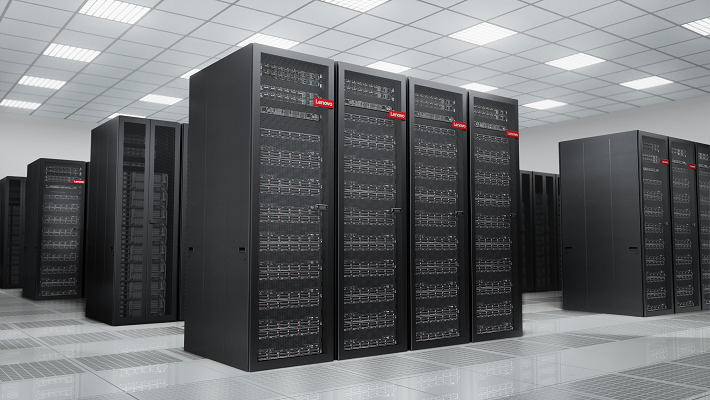
SSDs are ideal for database servers because they can efficiently manage a high volume of I/O operations. SSDs can considerably improve the performance of database-driven applications due to their quick data access and low latency.
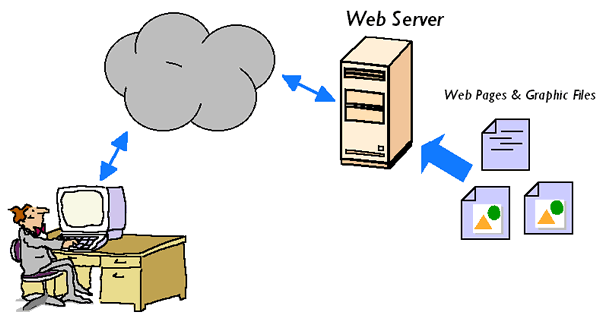
SSDs are well-suited for web servers, particularly those that host dynamic content, because they can deliver content to users more quickly, resulting in a superior user experience.
Hard disk drives (HDDs) remain a cost-effective option in situations where vast storage capacity is a priority, such as long-term data archiving.
SSDs are recommended for virtualization environments due to their ability to support numerous virtual machines with rapid data access and decreased resource contention.
In the ongoing debate between server HDDs and SSDs, there is no universally applicable solution. The optimal option depends on the server application's specific requirements, budgetary constraints, and performance requirements. Despite the fact that HDDs may still have a position in certain situations, the overall trend is shifting towards SSDs due to their superior performance, reliability, and decreasing prices.

Posted Sep 07, 2023

Posted Sep 07, 2023

Posted Sep 06, 2023
Posted Sep 05, 2023
Posted Sep 01, 2023

Posted Aug 30, 2023

Posted Aug 30, 2023