
A: Clock speed matters more in lightly threaded work, while extra cores help software that splits work across many threads. Architecture affects both. Compare results from your apps or games.
Buying a processor can feel harder than buying any other PC part. Product names change, and a higher model number does not always mean better results. Start with one question: what work will this computer perform every day?
The Central Processing Unit affects app response, multitasking, graphics card performance, heat, and battery use. Buyers must also judge graphics, neural processing, software support, and motherboard cost.
A sensible purchase does not chase the most expensive model. It matches the processor to the job, budget, and the rest of the machine.
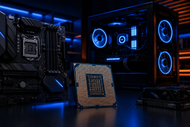
A processor is the calculation engine inside a computer. The terms processor, CPU, and Central Processing Unit commonly describe the same part. It reads software instructions, works on data, and sends results to memory or another component.
Modern Computer Processors contain cores, cache, memory controllers, security features, and sometimes graphics or an NPU. This mix explains why two CPUs with similar GHz figures can behave differently.
Choosing the right CPU matters because a weak chip can hold back a graphics card, while an oversized chip can waste money and require a larger cooler. Good PC Processors should fit the work.
The CPU repeats an instruction cycle. It fetches an instruction from memory, decodes the request, performs the operation, and stores or sends the result. This cycle repeats while the computer remains active.
To understand processors better, the table shows the parts that shape performance:
|
CPU feature |
What it does |
What it means for a buyer |
|
Cores and threads |
A core handles instruction work. Threads help the operating system schedule more work. |
More cores help with rendering, compiling, virtual machines, and heavy multitasking. Games also need strong per-core speed. |
|
Clock speed (GHz) |
Clock speed measures cycles per second. One GHz equals one billion cycles per second. |
Compare clock speed within similar designs. A newer chip may finish more work per cycle. |
|
Cache memory |
Cache keeps frequently needed data close to the cores. |
A larger or smarter cache may help games, databases, and repeated calculations. Size alone cannot rank every CPU. |
|
Instruction cycle |
The processor fetches, decodes, runs, and records instructions. |
Better architecture can finish more instructions per cycle, so GHz cannot stand alone. |
A six-core chip with strong per-core speed may beat a slower twelve-core model in lightly threaded software. The twelve-core model may finish a long video render sooner. Workload-based benchmarks give a clearer answer.
Power and temperature also change speed. Modern chips raise clocks when cooling and electrical limits allow, then reduce them during sustained heat or heavy current.
Different Types of processors can refer to device class, power limit, format, or ownership. These groups overlap.
Laptop Processors balance speed, heat, weight, and battery life. Thin notebooks use lower-power chips, while gaming models allow higher power. Many chips combine CPU cores, graphics, and an NPU.
Do not compare laptop and desktop chips by name alone. Cooling and power settings mean two notebooks with the same CPU can perform differently. 2026 choices include Intel Core Ultra, AMD Ryzen AI, Qualcomm Snapdragon X, and Apple silicon.
Desktop Processors allow larger coolers, stronger power circuitry, socketed boards, and discrete graphics. They suit gaming, editing, software work, and home workstations.
A new socket may require a new motherboard. A hotter chip may need a better cooler. Some models lack built-in graphics, so check the complete build price rather than the CPU price alone.
Server Processors target continuous workloads, large memory pools, virtual machines, databases, cloud services, and heavy I/O. They may support more memory channels, PCIe lanes, cores, and security functions than consumer CPU Processors.
AMD EPYC and Intel Xeon platforms focus on memory speed, data movement, reliability, and parallel work.
Server chips rarely suit gaming PCs. High core counts do not guarantee high frame rates.
Processor Boards carry a CPU or system-on-chip, memory links, storage connections, and control parts. Desktop motherboards fit this idea, while single-board computers place most parts on one board.
Check the board format, socket, chipset, memory type, firmware support, ports, and power limits. A board may physically hold a CPU, yet still need a BIOS update.
“VRM Processors” is not a standard CPU class. VRM means voltage regulator module. It sits on the motherboard and changes power from the supply into the stable voltage a CPU needs.
A weak or poorly cooled VRM may reduce sustained speed with a high-power chip. For long renders or code builds, read motherboard power and thermal tests.
A Proprietary Processor uses a design controlled by one company for its own devices, software platform, or partners. Apple M-series chips show this model because Apple controls the processor, operating system, and computer.
Custom chips can support close hardware and software coordination, but they may limit upgrades or software choice. Check app support, repair options, and replaceable parts.
Budget for the CPU, motherboard, memory, cooler, and graphics card. Spending less on the processor can fund a stronger GPU for gaming or more RAM for editing. Spend more when paid work depends on shorter renders, builds, simulations, or exports.
Older Computer Processors, or CPUs, can offer value, but a cheap chip may need a discontinued board or block for later upgrades.
Office work, browsing, video calls, and school tasks rarely need a top-tier model. A current chip with four to six capable cores and integrated graphics can serve these jobs.
Gaming needs strong per-core performance, enough cores, and a GPU match. Video editing, 3D work, compiling, and virtual machines gain more from extra cores and threads. Servers need memory capacity, I/O, uptime features, and software certification.
The Right CPU depends on your use case. List your three heaviest tasks, then compare matching tests.
For workstations, compare export times, compile times, and sustained clocks after several minutes, not brief peak scores.
Start with the motherboard socket, then check the chipset and BIOS support list. Intel states that Core Ultra desktop Series 2 chips use LGA1851 and do not work in LGA1700 boards. AMD lists AM5 support across Ryzen 7000, 8000, and 9000 families, though older boards may need a BIOS update.
Check memory, cooler mounting, power supply, case clearance, and graphics. A matching socket does not guarantee that every board can run every chip well under long loads.
For the motherboard, memory, storage, graphics card, cooling, and power supply around the CPU, read our Ultimate Guide to Computer Hardware Parts & Replacements in 2026. It shows how one upgrade can create a weak point elsewhere.
No purchase can promise years of perfect performance. Choose standards, enough cores, BIOS support, and useful ports.
Do not buy twice the CPU you need just to feel safe. Put money into balanced parts, good cooling, and enough RAM. Balanced parts tend to age better than one costly part beside weak ones.
Clock speed shows cycles per second, not the work completed in each cycle. Core design, cache, memory delay, power limits, and cooling change the result. Compare task tests instead of choosing the largest GHz number.
A fast four-core CPU can feel responsive yet struggle during rendering, streaming, or several active apps. More cores do not help every program equally. Match the count to software that can use it.
A CPU bottleneck happens when the processor cannot prepare work fast enough for the graphics card. This can limit frame rates, especially at lower resolutions or high refresh rates. A GPU bottleneck occurs when graphics work sets the limit. Balanced pairing prevents one part from waiting on the other.
Never assume the same brand means compatibility. Check the exact CPU against the board maker’s support page and confirm the required BIOS version. This prevents failed starts, returns, and unwanted platform replacements.
AI-integrated CPUs place an NPU beside the CPU and graphics resources. The NPU handles background effects, speech, image work, and local AI inference. Microsoft’s Copilot+ PC class requires an NPU above 40 TOPS, and selected AMD, Intel, and Qualcomm laptop chips meet that level.
App support matters, and a discrete GPU may handle large AI jobs faster. Software support will decide how useful these new units become, because hardware features matter only when applications send suitable work to them.
Talk of ARM dominance in laptops reflects growing influence, not full market control. Apple supplies Mac chips, while Qualcomm supplies Snapdragon X for Windows.
They appeal through strong performance per watt and long battery life. Buyers with older games, drivers, or specialist tools should check native support and emulation before switching.
Chiplets split a processor into smaller dies inside one package. A maker can combine compute, graphics, cache, and I/O sections instead of placing every function on one large die. This method can improve yield and compute density, and lower design cost.
Internal layout can affect memory delay, heat, and software behaviour, so model testing remains more useful than judging a chip by manufacturing size alone.
Processor makers now chase more work per watt. Laptops need longer battery life, desktops face cooling limits, and data centres pay for electricity and heat removal.
Hybrid cores, better sleep states, NPUs, chiplets, and smarter task scheduling support this shift. Expect future Processors to send each job to the right part.
A CPU controls far more than startup speed. Cores, threads, clock rate, cache, architecture, power limits, cooling, and motherboard support shape daily performance together. Laptop, desktop, and server chips serve different needs.
Processor Boards and VRMs affect sustained speed, while proprietary designs trade choice for system control.
Choose by workload, not by badge. Set the full-system budget, check benchmarks for your apps, confirm the socket and BIOS, then review cooling and power needs. Leave money for the GPU, memory, and storage.
An office PC, gaming build, editing workstation, and server should not use the same buying logic. The best processor completes your work within an acceptable cost, noise, and power.
A: Clock speed matters more in lightly threaded work, while extra cores help software that splits work across many threads. Architecture affects both. Compare results from your apps or games.
A: Six capable cores suit many gaming builds; eight or more add room for streaming. Editing gains from extra cores during exports and rendering.
A: A CPU bottleneck occurs when the processor reaches its limit before another part, commonly the graphics card. The GPU then waits for game logic, draw calls, or data. Lowering graphics settings may not raise frame rates much.
A: Clock speed measures how many clock cycles a processor runs each second. One GHz equals one billion cycles per second. Architecture and work per cycle change performance.
A: A current CPU with four to six capable cores and integrated graphics suits documents, email, spreadsheets, and video meetings. Buy enough memory and a fast SSD before a top-tier CPU.
A: No. Laptop Processors face tighter heat and power limits, and manufacturers may solder them to the board. Desktop Processors allow larger coolers, more sustained power, and socketed replacement. Similar names do not guarantee similar speed.
A: The Future of Processors centres on dedicated AI hardware, wider Arm adoption in laptops, chiplet packages, and better performance per watt. More chips will combine CPU, graphics, NPU, memory control, and security.

Posted Sep 07, 2023

Posted Sep 07, 2023

Posted Sep 06, 2023
Posted Sep 05, 2023
Posted Sep 01, 2023

Posted Aug 30, 2023

Posted Aug 30, 2023